
Cinema and direction
Visual storytelling, framing, and mise-en-scène
How a director decides where the camera stands, what fills the frame, and where the audience looks first. Practical analysis of lens choice, blocking, and lighting contrast.
Mise-en-scène
Blocking and lighting direct attention
Thoughtful actor blocking and deliberate lighting contrast steer the audience's eye long before any dialogue lands. Each position in the frame carries weight, and each shift in light signals a change in stakes.
Directorial clarity starts earlier than the shoot. Knowing what each scene must resolve, before the camera rolls, lets every framing and movement serve that single purpose rather than decorating the shot.
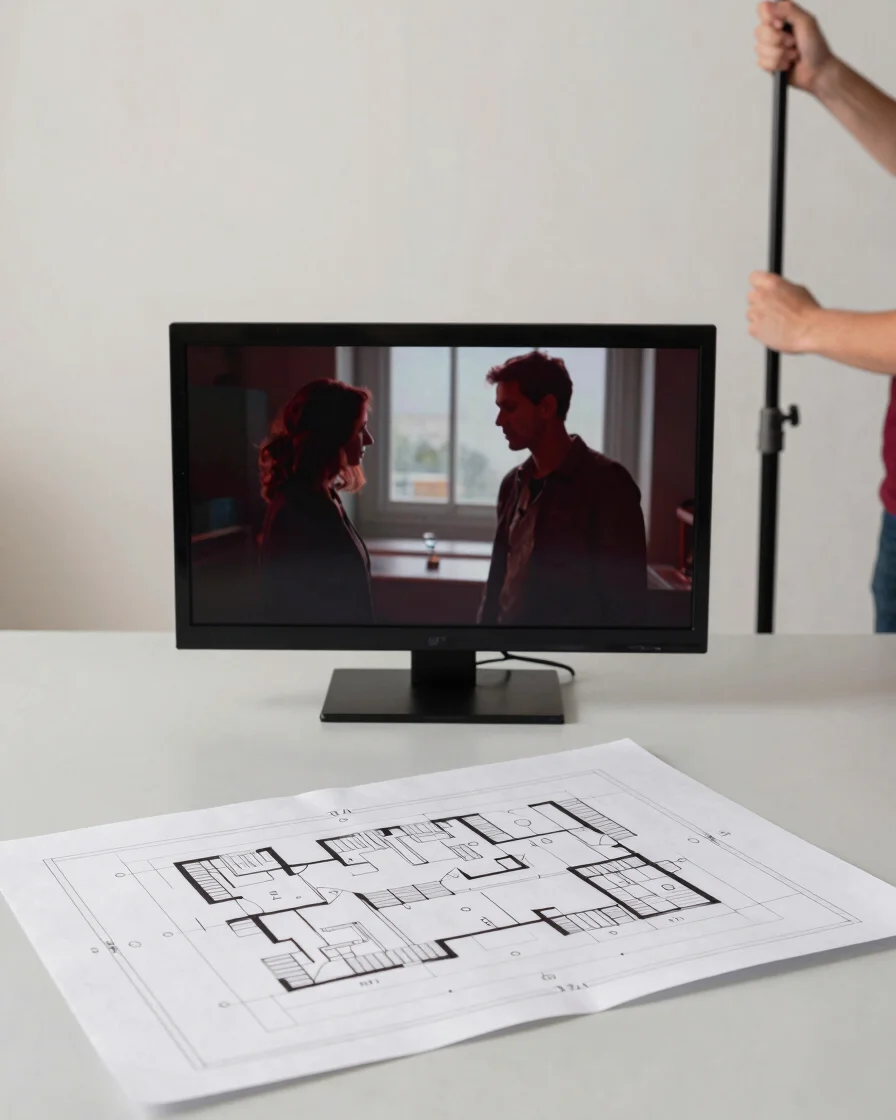
Framing language
Lens, height, and spatial tension
Visual storytelling relies on lens choice, camera height, and spatial tension rather than decorative movement. Each decision below changes how a scene feels before a word is spoken.
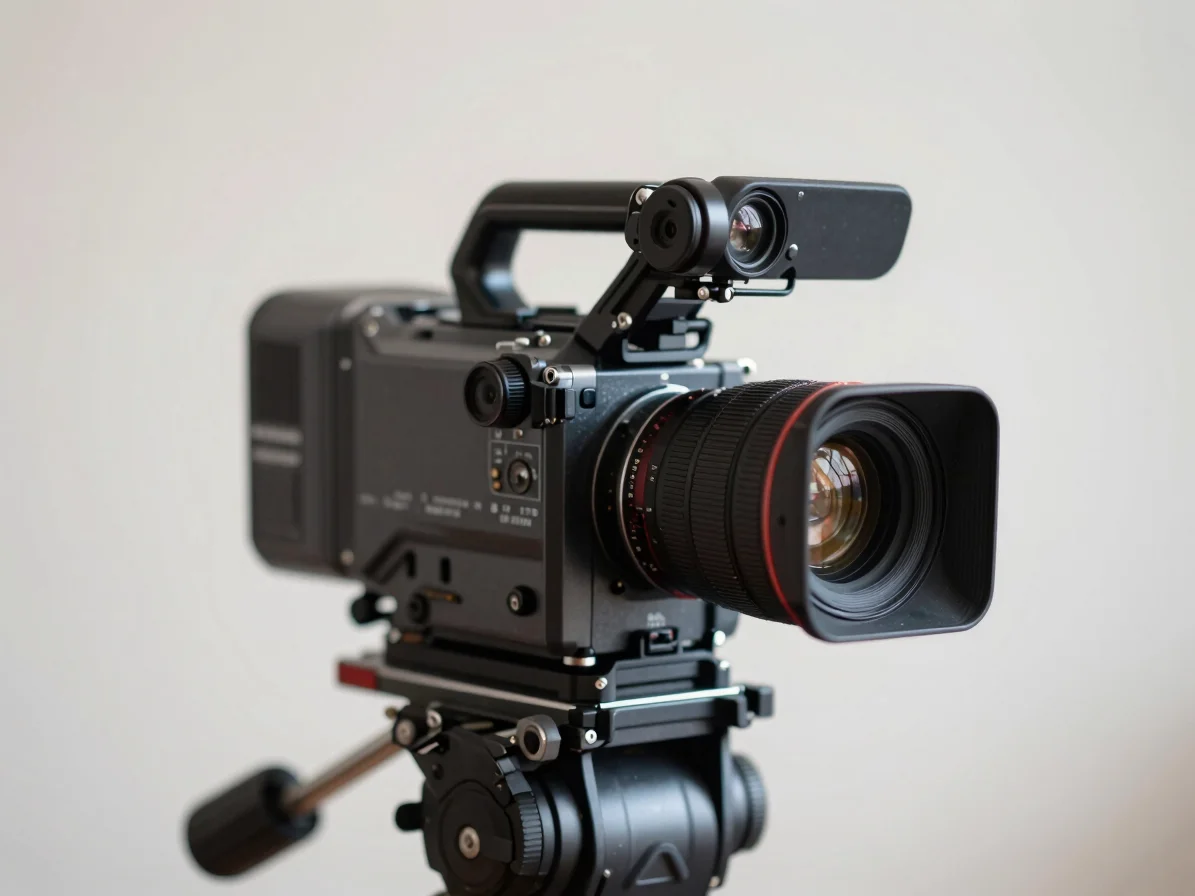
Focal length
A longer lens compresses space and isolates the subject; a wider lens places the figure within its surroundings.
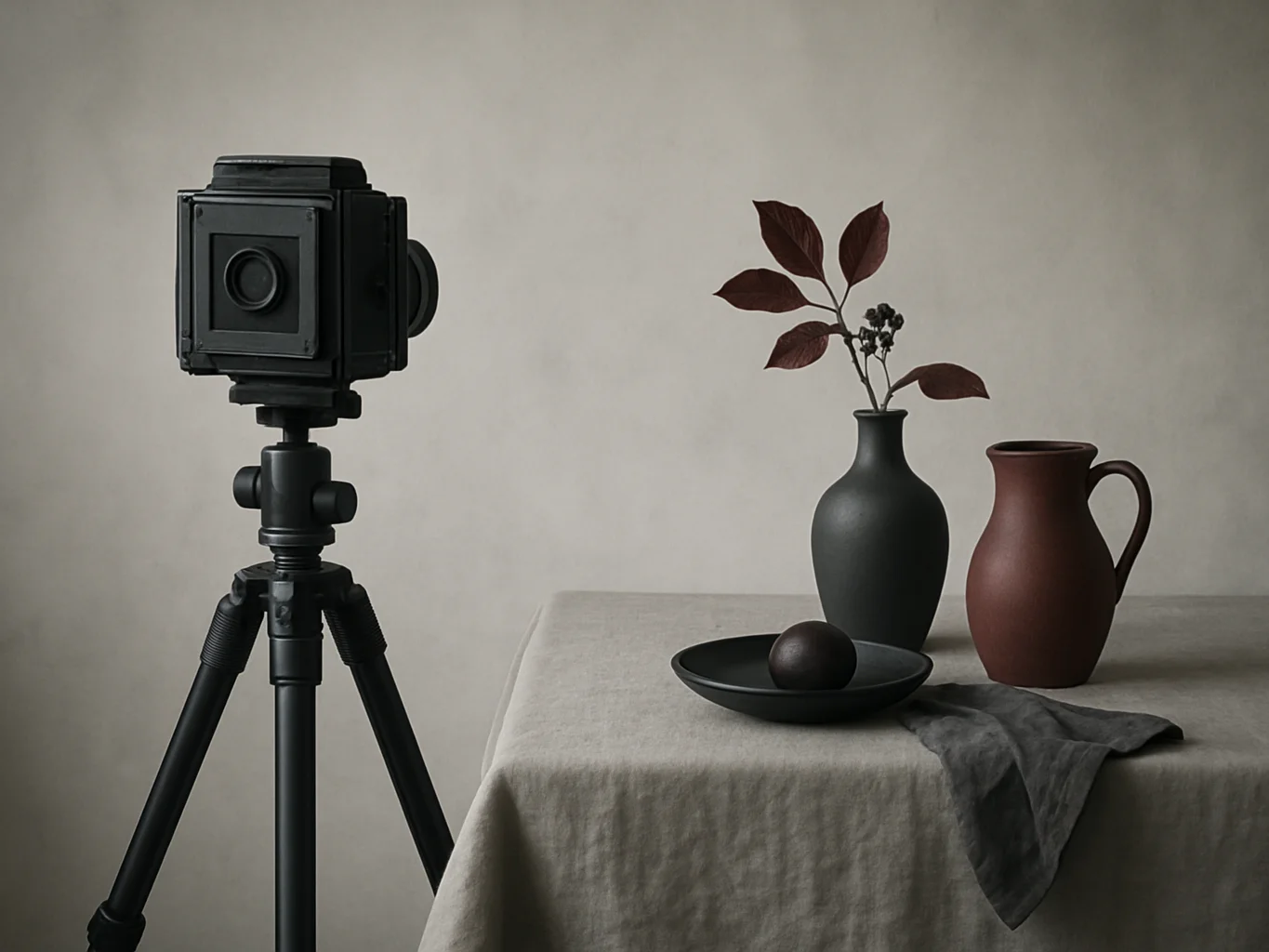
Camera height
Shooting from low or high positions shifts the power balance between figures and shapes the viewer's sense of authority.
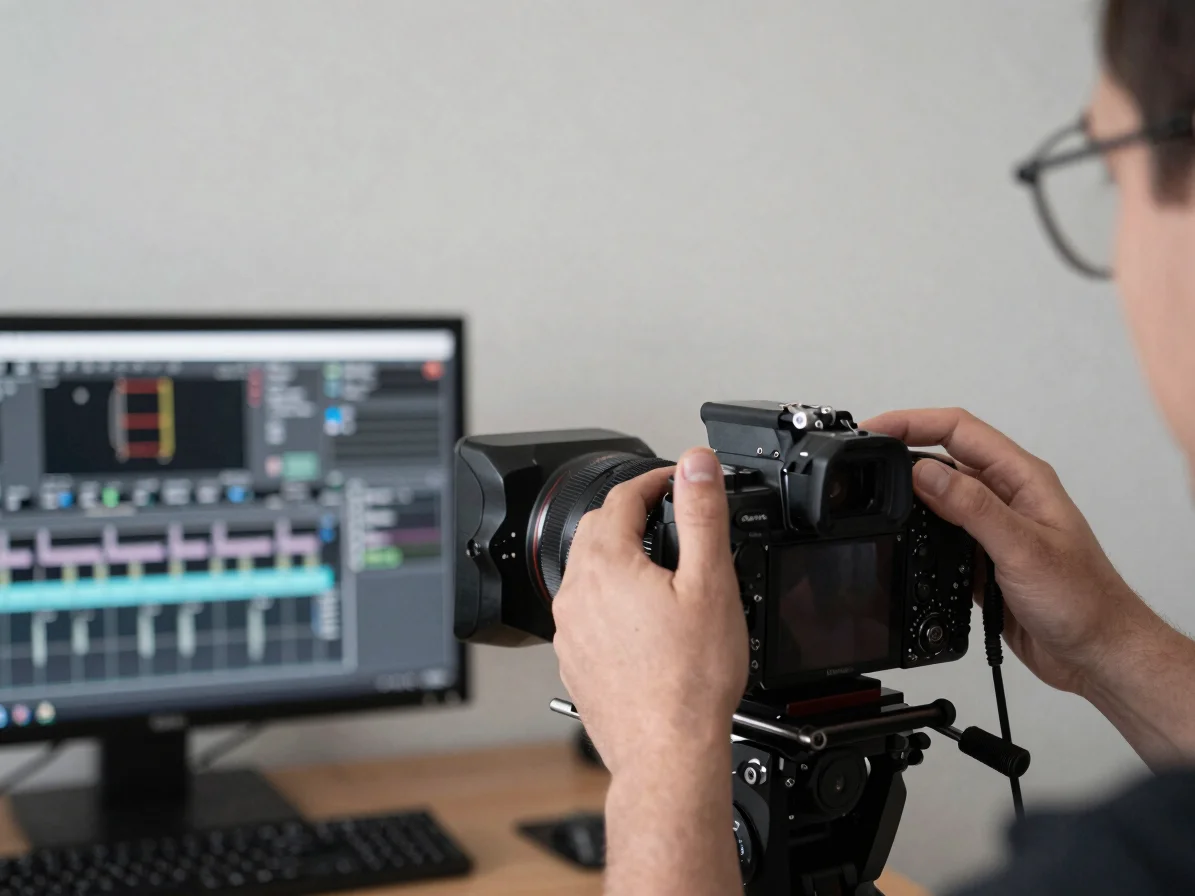
Compositional framing
Placing figures off-center and leaving negative space builds tension that a centered frame cannot produce.